
Equipment · Lens
Reach, so we are not standing in the moment. Compression, so the subject separates.
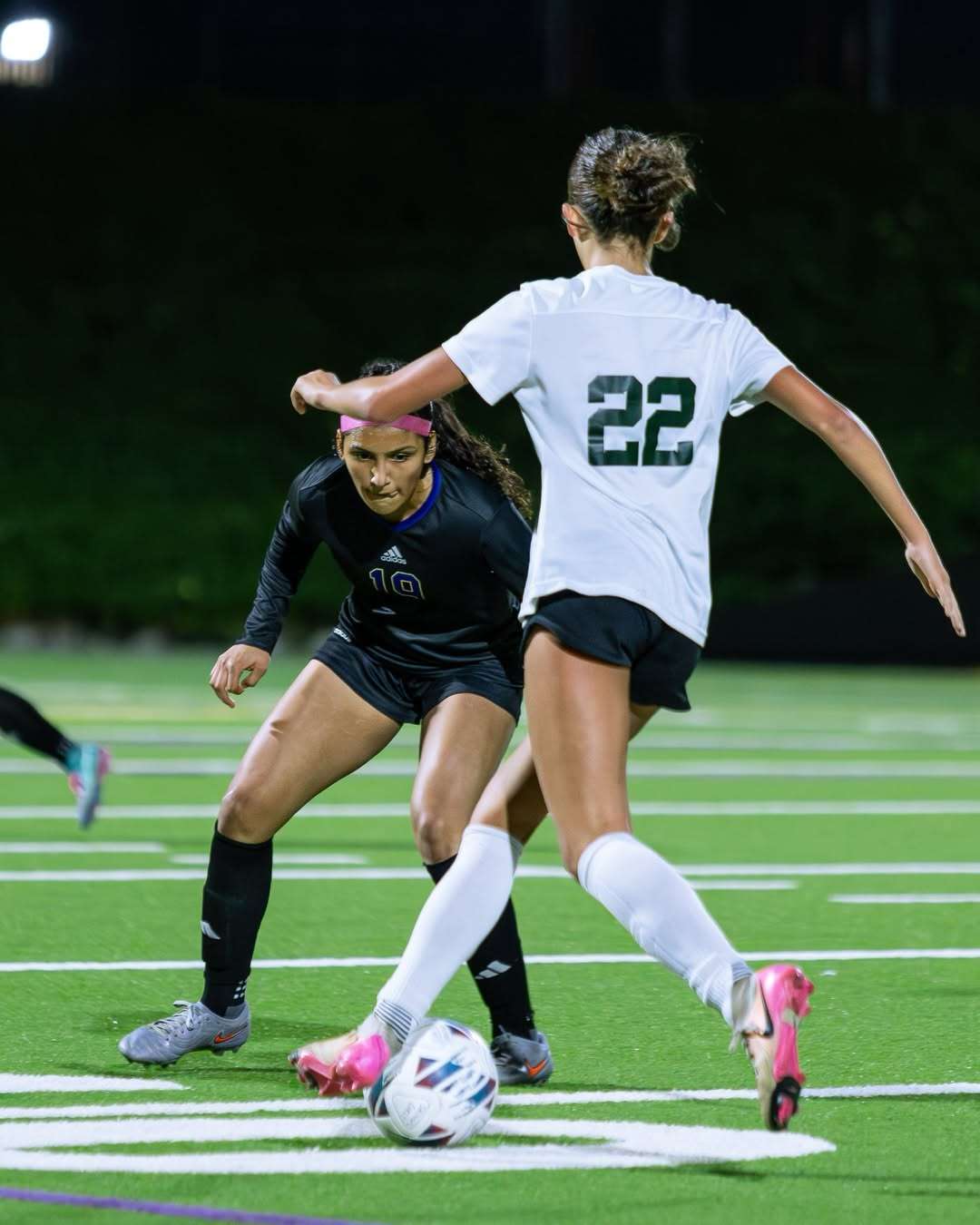
The 70-200mm does two things nothing else in the bag can: it reaches, and it compresses. Between them, those account for a surprising share of the photographs people single out afterwards.
The most emotional minutes of a wedding day should not have a photographer standing in them. A telephoto lens allows a tight, intimate frame of a face during a vow from a position far enough away that nobody is aware of the camera. Combined with a silent shutter, the ceremony is genuinely undisturbed. See wedding photography.
Play happens in the middle of a field and photographers stay off it. Two hundred millimetres is the working minimum for sideline coverage, and it is where most sports and school sports photographs are taken from.
People behave differently when a camera is close. Distance produces expressions that proximity destroys — which is why the best documentary frames of a reception are frequently taken from the other side of the room.
Long lenses make backgrounds appear closer and larger relative to the subject, and render out-of-focus areas smoothly. The effect is that a person separates cleanly from what is behind them, a cluttered venue turns into a wash of colour, and a portrait looks more like a portrait than a snapshot. When somebody says a photograph looks professional without being able to say why, this is very often what they are reacting to.
Longer focal lengths flatter faces — features are rendered in more natural proportion than a wide lens allows. For headshots, senior portraits and formal work, this is the lens.
Long lenses magnify camera shake as much as they magnify the subject. Optical stabilisation in the lens, working with stabilisation in the body, is what allows sharp handheld frames at 200mm in a dim church or an indoor gym — venues where a tripod would be impractical, unwelcome, or both.
A telephoto is useless in a small room; there is not enough space to get far enough back for the lens to focus and frame. This is precisely why it lives on the second body alongside the 24-70mm rather than replacing it — each covers the situation the other cannot.
Related: our full equipment list, 2x teleconverter, 24-70mm f/2.8 GM II, sports photography, headshots.
Sport, ceremony or portrait work? Tell us what needs covering.
Check availability