
Corporate · Employer Brand
The careers page decides whether someone applies, and it is usually illustrated with strangers high-fiving in an office that does not exist.
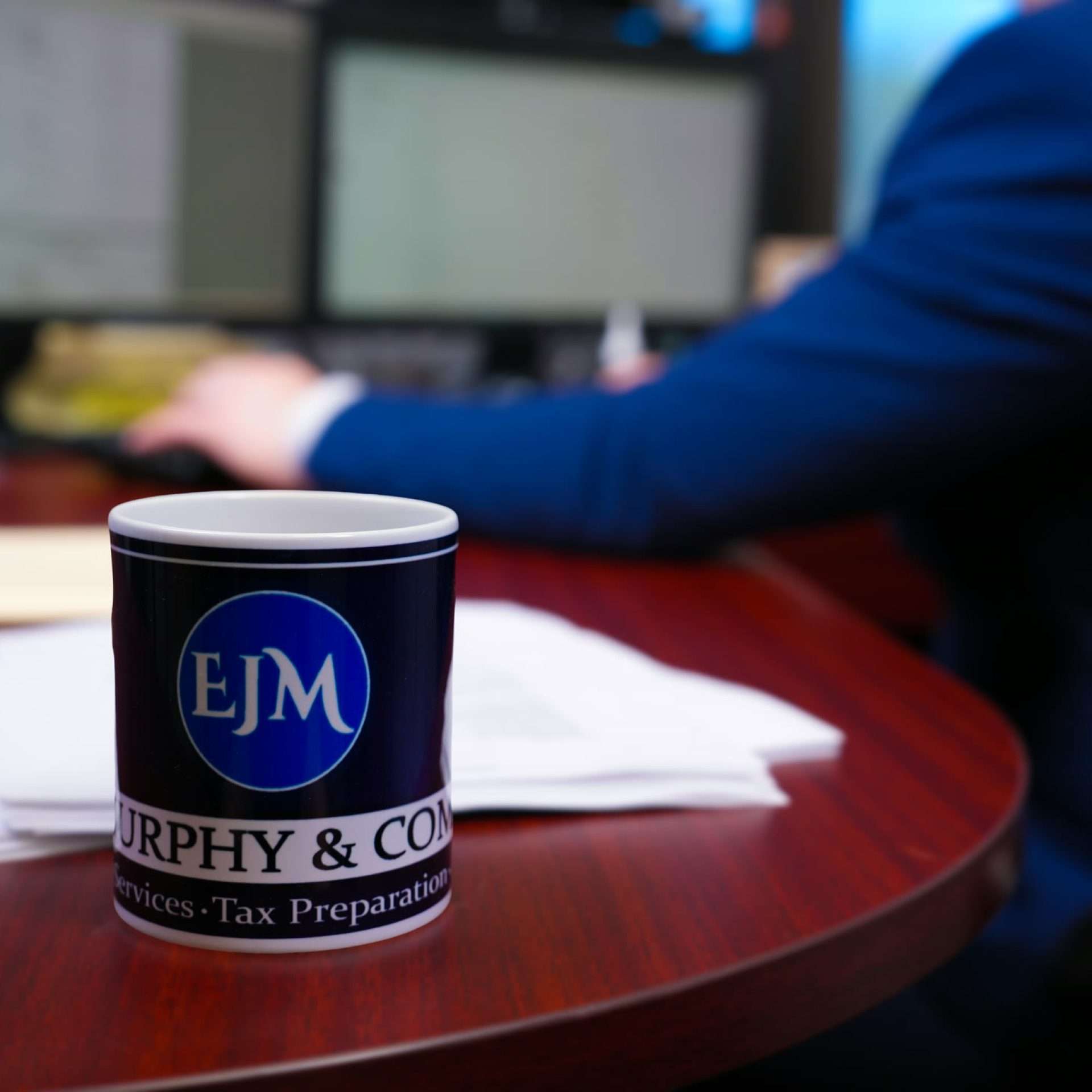
Careers pages are where corporate photography is worst. A company that spends properly on its product imagery will illustrate the page that decides whether someone applies with a stock photo of strangers high-fiving in an office that does not exist.
The careers page, the LinkedIn page, and Glassdoor. Real photographs of the actual workplace answer the question a job description cannot: what is it like to be there.
Everyone recognises stock photography now, and on a careers page it reads as a company with nothing real to show — or worse, one hiding what the workplace actually looks like.
Skilled trades, healthcare, engineering and hospitality all compete for the same shrinking pool on Long Island. Showing the real place is one of the few levers that costs nothing per applicant.
Not posed groups. The floor, the bench, the kitchen, the ward, the desk — with real employees doing the real job.
Where people eat, park, break and collaborate. Candidates are picturing their day.
Meetings, handovers, training. It should look like the meetings you actually have.
A named employee with a real sentence about the work is worth more than any values statement. Pairs naturally with testimonial video.
A short film of the workplace, cut vertical for the platforms candidates actually use — see social content.
This is the one argument for honesty that survives contact with marketing. Imagery that oversells the workplace does not reduce hiring cost — it moves the cost to month three, when the new hire realises the job is not the one in the pictures and starts looking again.
Related: corporate photography, team headshots, environmental portraits, testimonial video, industrial photography.
Show candidates the real place. Tell us the roles you are hiring for.
Plan a culture shoot