
Portraits · Sport
Coaches see the photographs before they see the athlete play — and most recruits are using a crop from a team photo.
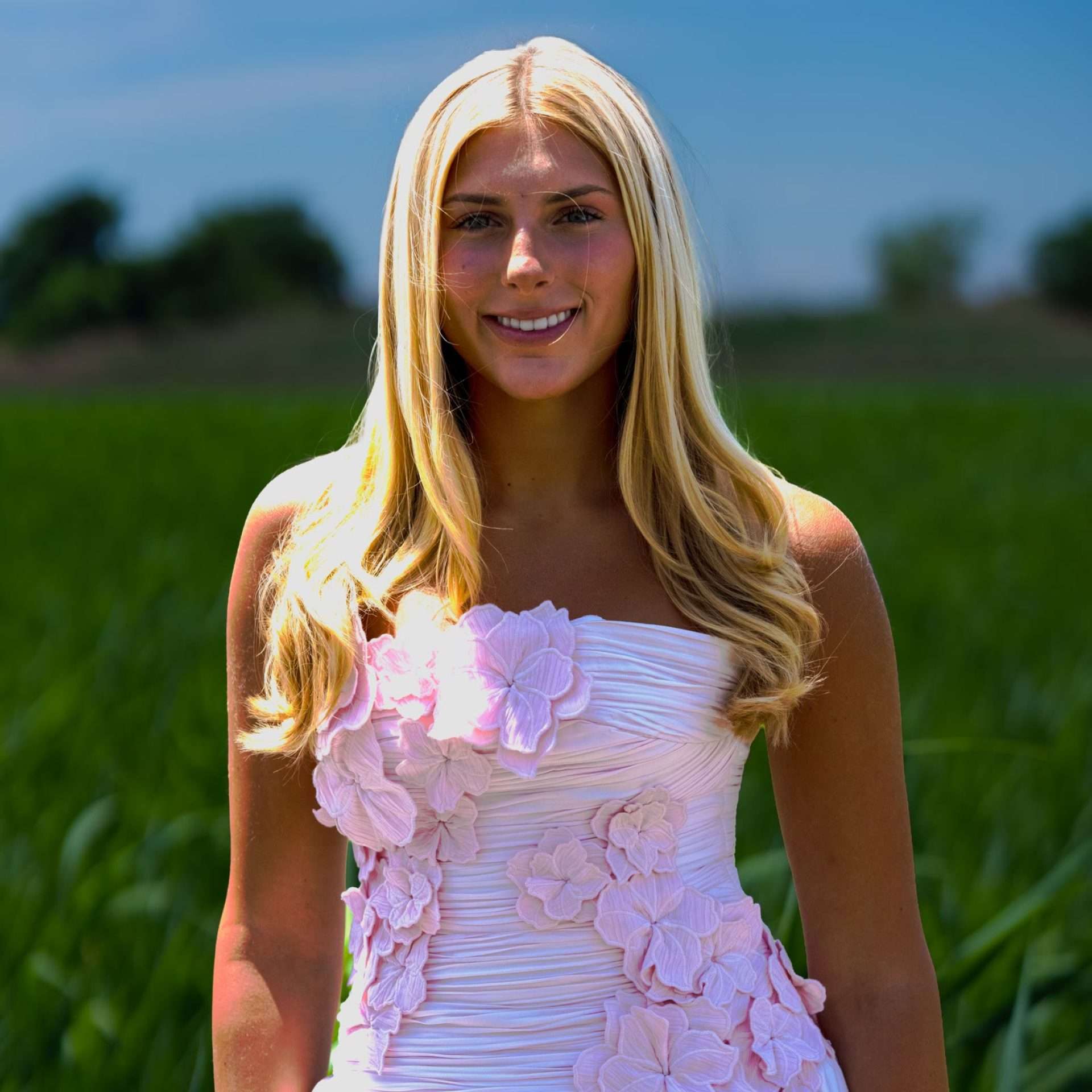
College coaches see a recruit’s photographs before they ever see them play. The profile picture on a recruiting platform, the shot attached to an introductory email, the image a high school posts when a commitment is announced — these are working documents, and most of them are cropped out of a team photo taken two seasons ago.
A coach scanning profiles gives each one seconds. Face clearly readable, uniform and number legible, no distracting background. That sounds basic and it is exactly what a cropped team photo fails at.
Equipment in hand, in uniform, in the right setting. A portrait in a polo shirt tells a lacrosse coach nothing. The stick, the pads, the field behind — that is context doing work.
The same photograph gets used as a square avatar, a wide banner and a vertical phone graphic. Shot without that in mind, it will fail in at least one — usually the one the school uses for the commitment announcement.
Clean, direct, uniform visible. The one that does the most work and the one most often missing.
Shot at high frame rates so the peak of the movement actually exists — the release, the extension, the contact. See sports photography for how that is done. A staged session gives us something a game never does: repetition. If the first attempt is not right, the athlete does it again.
Gloves, stick, bat, spikes, number. Useful filler for graphics and social announcements.
The one the family posts on signing day, and the one the school and the club both share. Worth planning for rather than improvising.
Profiles get built in the spring and summer before junior and senior year. Photographs taken after the outreach has started are already late.
Late light, the school’s facility, home uniform. It photographs better and it means something to the athlete in a way a studio backdrop does not.
Multi-sport athletes need each one covered, in the right uniform. It cannot be faked with a change of shirt.
They are frequently confused and they serve opposite purposes. A senior portrait is for the family, the yearbook and the wall — personality first. A recruiting portrait is a sales document aimed at a coach who has never met the athlete. Different clothing, different setting, different crop, different job. Families who want both should book both, and most do.
Related: sports photography, team portraits, senior portraits, school photography, graduation portraits.
Recruiting profiles get built in spring. Tell us the sport and the graduation year.
Book a recruiting session