
Equipment · Camera body
The body we use when the moment happens once and cannot be repeated.
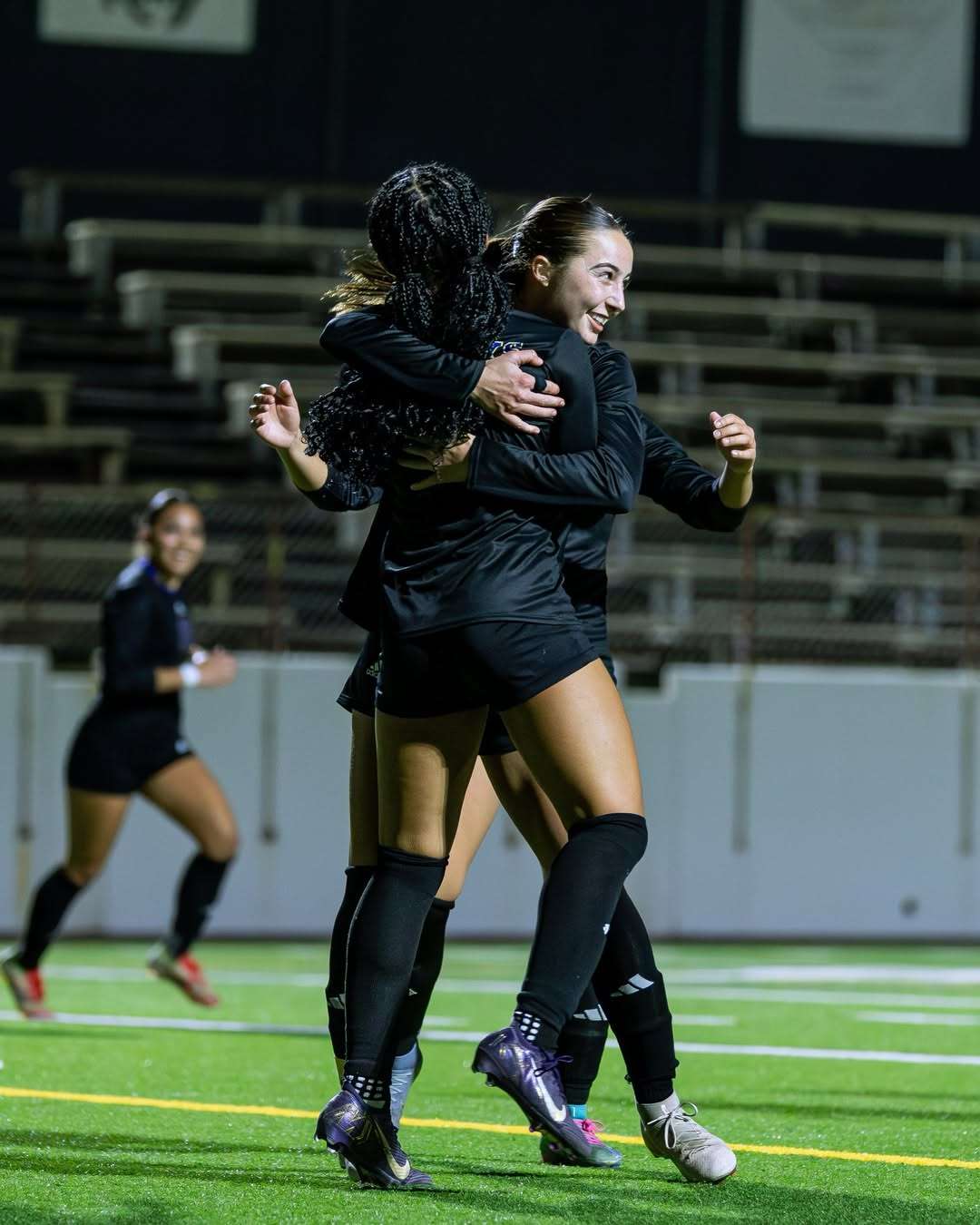
The Alpha 1 II is the body we reach for when the moment is not repeatable. Most photography is forgiving — if a frame does not work, you take another. Sports, ceremonies, recitals and first steps are not like that. There is one attempt, it lasts a fraction of a second, and either the camera was capable of it or it was not.
On most cameras the viewfinder goes dark each time the shutter fires, so during a burst you are effectively photographing blind and hoping. Here the view stays live throughout. We can follow a moving subject through the whole sequence rather than losing it, which is the difference between a burst of thirty frames of empty grass and thirty frames of the play.
Human reaction time is roughly a quarter of a second. By the time a person has seen the catch and pressed the button, the catch is over — this is why so many sports photographs are of the moment just after the moment. The camera continuously buffers frames and keeps the ones from immediately before we committed, so the ball leaving the stick actually exists in the take.
The fully electronic shutter makes no mechanical sound at all. That matters more than it sounds like it should. A silent camera can work from a good position during a wedding ceremony, a recital solo or a putt, instead of being exiled to the back of the room because it would be a distraction. Better position is usually a bigger quality gain than any lens.
Field sports are the clearest case — see sports photography and school photography. Frame rate, pre-capture and autofocus tracking are all doing work simultaneously, and the result is that the decisive frame exists to be chosen rather than gambled on.
Silence plus strong low-light performance is exactly the combination a dark room with one meaningful moment demands. Applies to weddings and school concert and recital work alike.
School gymnasium lighting and stage LEDs pulse on the mains cycle. Photograph a burst under them without compensation and the frames come back inconsistent — one green, the next magenta, none of them matching. Anti-flicker synchronises the camera to that cycle so a sequence holds together as a set. It is invisible when it works and ruins an entire gallery when it is absent.
Resolution is the most quoted and least understood number in photography. In practice it buys two things. It allows a print big enough for a wall rather than a phone screen. And it allows aggressive cropping — reframing a sideline shot to a tight portrait — without the picture falling apart. On a fast body, high resolution usually costs frame rate. Not having to choose is the point.
Equipment removes excuses; it does not create photographs. What this body does is make certain shots technically possible that otherwise are not — a silent frame during a vow, a sequence under pulsing gym light, the instant before a catch. Everything else is still down to being in the right place and knowing what is about to happen.
Related: our full equipment list, Sony Alpha 7R V, 70-200mm f/2.8 GM II, sports photography, wedding photography.
Have a shoot where the moment only happens once? Tell us what it is.
Check availability