
Equipment · Lens
The lens that is on a camera for more of the day than everything else combined.
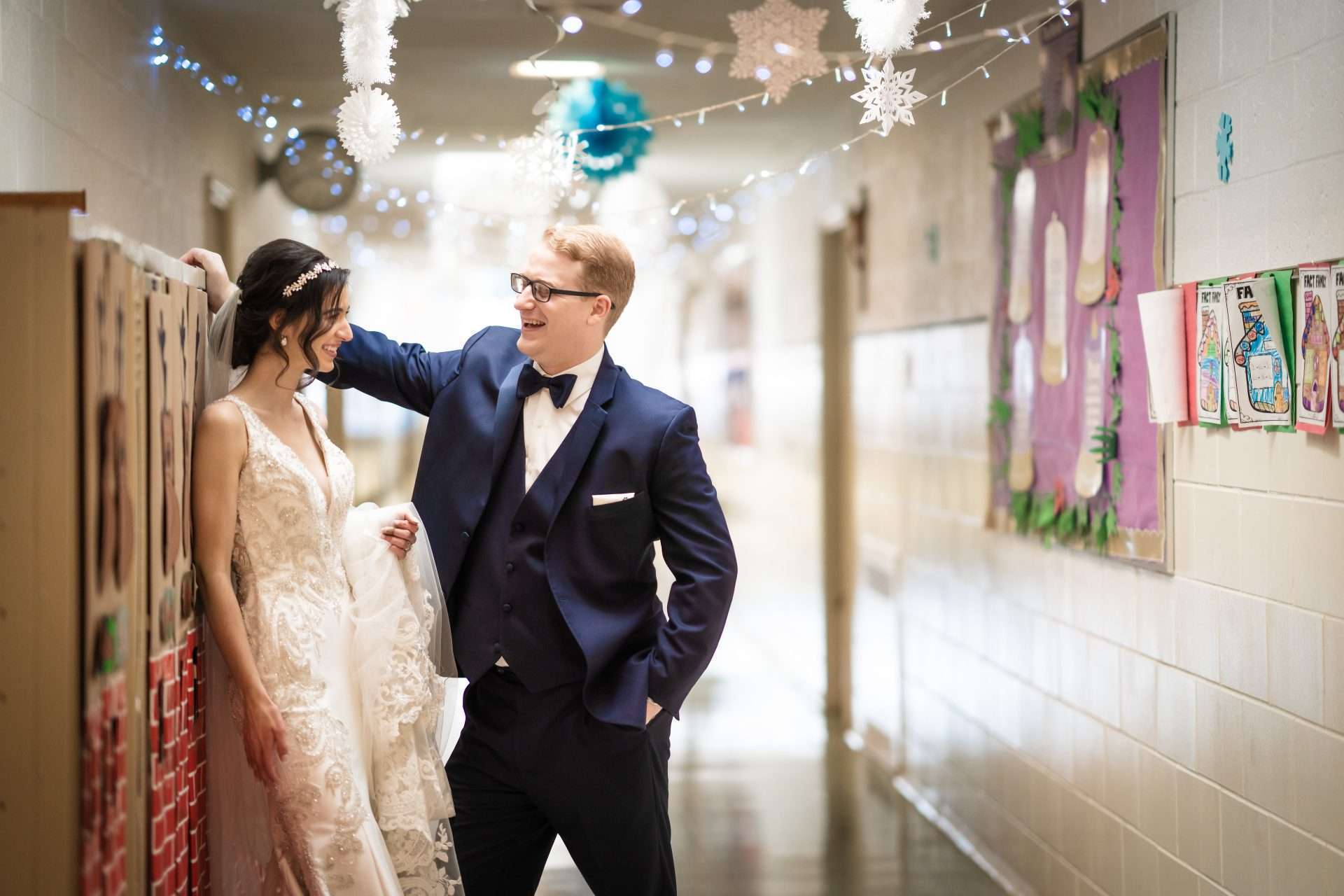
If we could only keep one lens, it would be this one. The 24-70mm covers the range most photography actually happens in, and on a typical wedding or corporate day it is on a camera for more hours than everything else combined.
Wide enough to establish a room, a table setting, a group or a location without needing a separate lens for it.
The middle of this zoom is where most candid photography lives — natural perspective, close to how a moment looked to the people in it.
At the long end it becomes a genuinely flattering portrait lens, with enough compression to separate a person from the background. This is where a great many headshots and family portraits are made.
Events do not pause for lens changes. A speech ends, somebody's parent reacts, two people embrace across the room — and any of those is gone inside three seconds. A zoom that spans wide-scene to portrait means recomposing is a twist of the wrist rather than a bag, a cap, a swap and a missed moment. On a day with one timeline and no retakes, that is worth more than any marginal optical advantage a fixed lens might offer.
Weddings from preparation through to the reception. Corporate and conference coverage. Grand openings. Family sessions. Restaurant and hospitality work. It is also the default lens for most video interview setups, where the same reasoning applies — frame the subject precisely without moving the tripod.
It is not a sports lens; seventy millimetres is nowhere near enough reach for a field, which is what the 70-200mm is for. It is not an interiors lens for tight rooms, which is what the 12-24mm is for. Its value is not that it does everything, but that it does the middle so well that the specialist lenses only come out when they are genuinely needed.
On most event days this lens is on one body and the 70-200mm is on the other. That combination covers wide-scene to tight-telephoto instantly with no lens changes at all, which is both faster and cleaner — every lens change on a dusty or humid day is an opportunity to get dust on a sensor.
Related: our full equipment list, 70-200mm f/2.8 GM II, 16-35mm f/2.8 GM II, wedding photography, corporate photography.
Planning a wedding or a corporate day? Let us map the coverage with you.
Check availability