
Equipment · Lens
Wide enough for the room, not so wide that people look wrong.
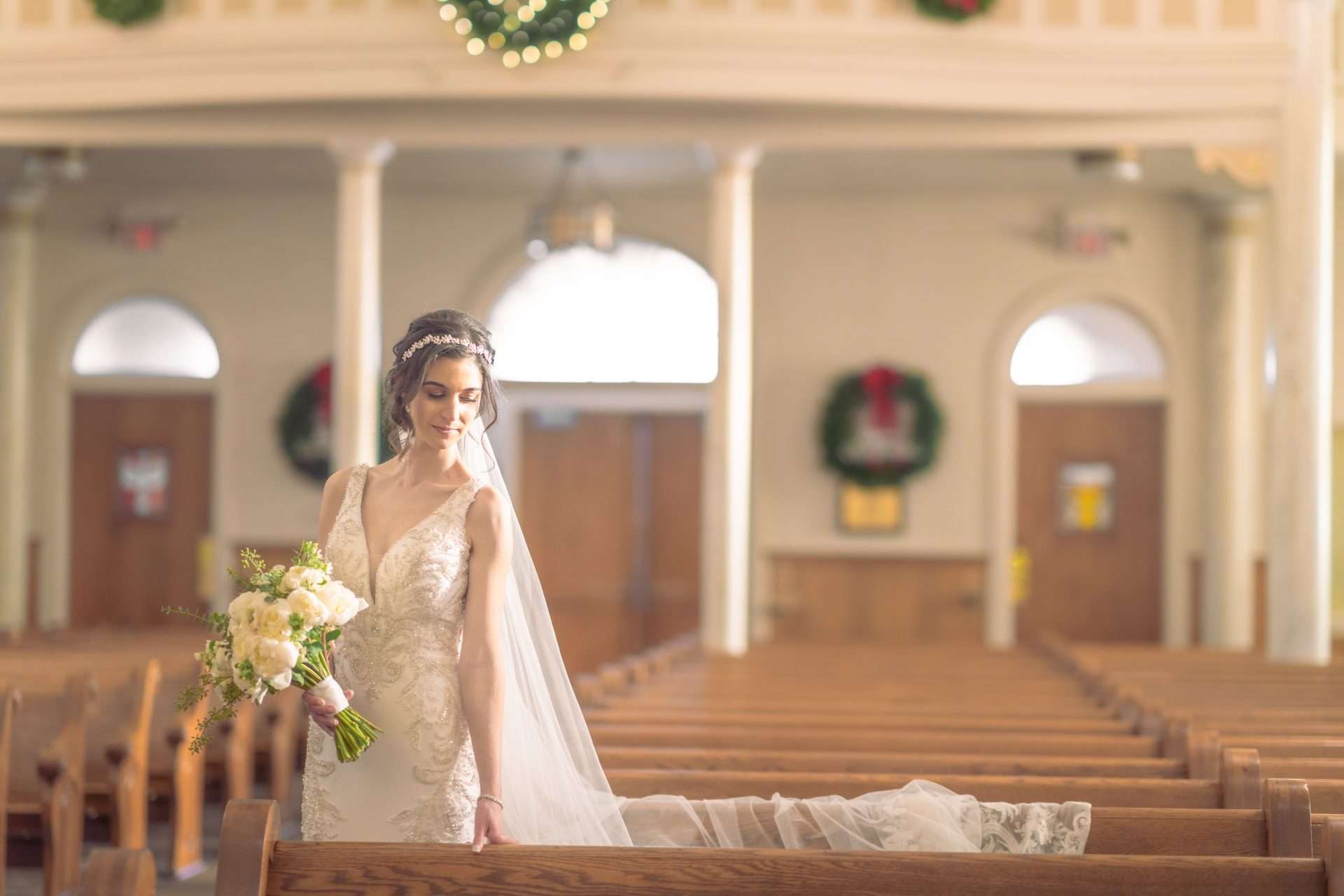
The 16-35mm is the lens for showing people and the place they are in. It is wide, but not so wide that a person becomes distorted — which makes it the most useful lens on the site when context is part of the story.
A portrait that includes the workshop, the kitchen, the building site or the studio says something a headshot cannot. It tells you what the person does. This is the lens most corporate and personal-branding work in a real workplace is shot on.
Once a room fills with people there is nowhere to stand and no time to back up. A wide angle lets us work from inside the crowd rather than around the outside of it, which is the difference between photographs of an event and photographs of the backs of people at an event. See wedding photography.
Where the 12-24mm shows an empty space, this shows an occupied one. Conferences, grand openings, classrooms, restaurant interiors during service — the room matters, but the people are the subject. Also see event photography.
Hotel rooms and bridal suites are small, crowded and busy. There is no version of that morning that can be photographed on a long lens.
Because of what happens to people at the edges. At 12mm anybody near the border of the frame is noticeably stretched, and it is not a look anyone wants to be on the receiving end of. Sixteen millimetres is close to the widest a person can be photographed without it becoming obvious, which is exactly why this range exists as a separate lens rather than an overlap.
Zoomed in, this becomes a natural-looking documentary lens — close to how a scene actually looks to the eye, wide enough to keep context, and fast enough for a dim room. A great deal of candid coverage happens at this end, where the lens stops announcing itself and simply records what is happening.
A common misunderstanding is that a wide lens means standing back. The opposite is true: to fill a wide frame you have to move in. That is why this lens produces more intimate photographs than a telephoto does — it forces proximity, which is uncomfortable for the photographer and much better for the pictures.
Related: our full equipment list, 12-24mm f/2.8 GM, 24-70mm f/2.8 GM II, corporate photography, event photography.
Event, workplace or venue coverage? Tell us the space and the story.
Check availability