Spring · Locations

Garden and arboretum photography

Long Island’s best locations, and the most rule-bound — the rules are what people discover too late.
Check availability(631) 560-8357Nassau · Suffolk · New York City
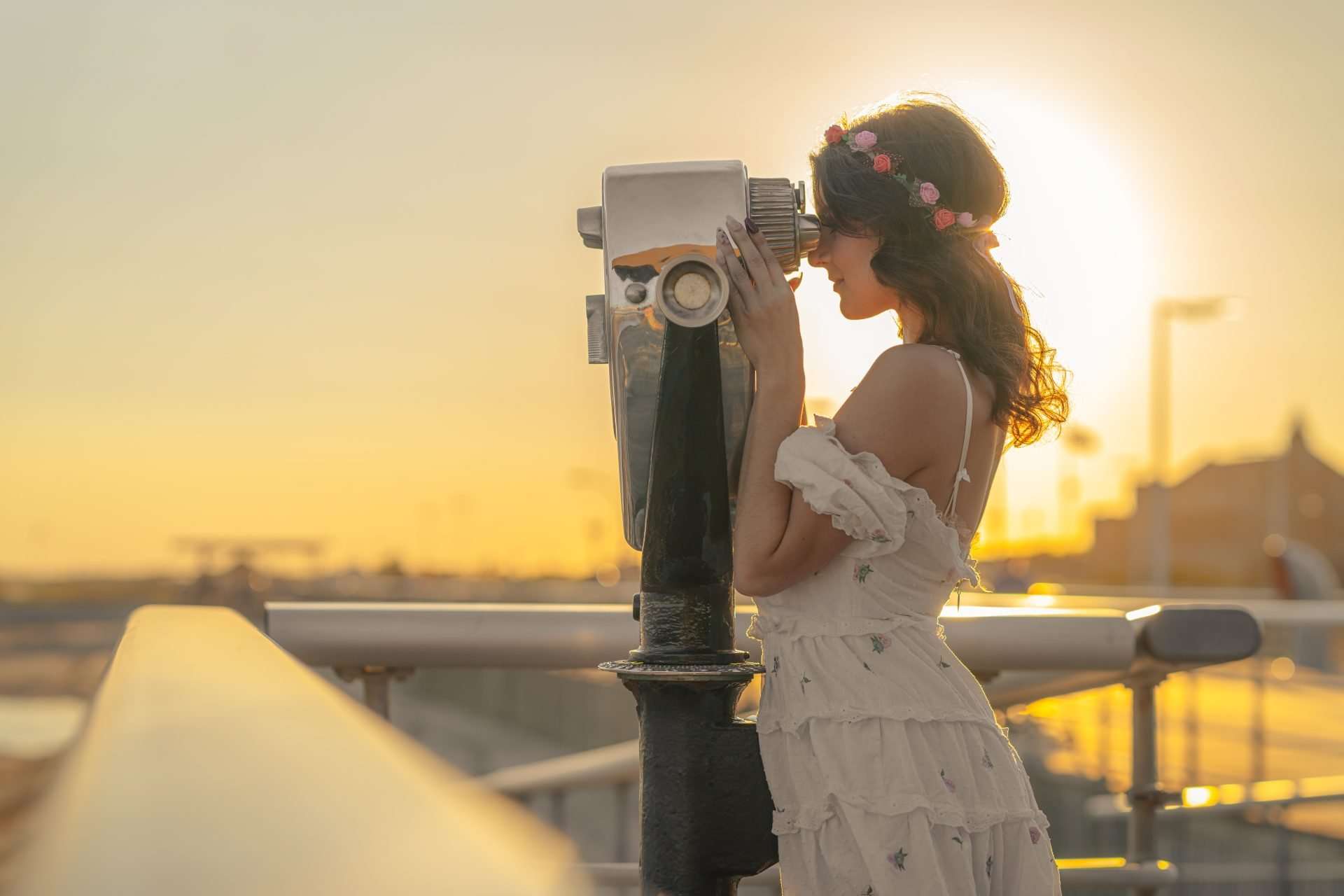
Portrait session photographed at a Long Island botanical garden
Weekday mornings: quieter, better lit, easier to permit.

Long Island has an unusual concentration of serious gardens — Gold Coast estates, arboretums and botanical collections that are open to the public and photograph beautifully. They are also the most rule-bound locations we work in, and the rules are the part most people discover too late.

The access problem

Public entry is not permission to shoot

Paying admission gets you in as a visitor. A portrait session with lighting, a posed subject and a photographer being paid is a different activity, and most of these properties treat it that way.

Permits, passes and fees

Several require a photography permit, a paid pass or advance booking. Fees vary widely and some are per-session rather than annual. Broader detail on photography permits.

Weekend restrictions are common

The properties that allow professional sessions frequently restrict them to weekdays, or to before opening. That is inconvenient and it is also why weekday sessions produce better photographs — nobody else is there.

Some prohibit it outright

A few do not permit commercial photography at all, regardless of fee. Worth knowing before you fall in love with a location.

We confirm access before you book

This is the practical value of using someone who works these locations regularly. Rules change season to season, and turning up with a permit that lapsed last year ends the session at the gate. We check the specific property for the specific date.

What gardens give you photographically

Structure, not just flowers

Formal gardens have hedges, paths, walls and gates — lines that lead the eye and frame a subject. That structure works even outside bloom season, which is why these locations photograph well in October as readily as May.

Shade you can rely on

Mature trees give consistent open shade, which is far easier to work in than the patchy light of an open park at midday.

Backgrounds that hold up

A wall of planting is a clean background at almost any aperture. Open fields are not.

What we shoot in them

  • Engagements — the most common request. See spring engagements.
  • Family portraits and generational groups, where structure helps arrange people.
  • Maternity, which suits the setting particularly well.
  • Blossom sessions in the ten-day window — blossom portraits.
  • Bridal portraits and day-after dress sessions.
  • Senior portraits, for anyone who wants something other than a school backdrop.

Practical notes

  • Weekday mornings are quieter, better lit and easier to permit.
  • Paths are gravel and grass. Consider footwear, and bring the good shoes to change into.
  • Do not step into beds. It is how photographers get properties closed to everyone.
  • Tripods and lighting are restricted at several properties even where photography is allowed.

Tell us the property and the date. We confirm access before anything is booked.

Plan a garden session

Common questions

Do we need a permit to shoot at a botanical garden?Usually yes for a professional session. Paying admission gets you in as a visitor - a paid photographer with a posed subject is treated as a different activity by most of these properties.
Can you shoot at weekends?Sometimes. Many properties restrict professional sessions to weekdays or to before opening. That is inconvenient and it also produces better photographs, because nobody else is there.
Who arranges the permit?We confirm access for the specific property and date before you book. Rules change season to season and an expired permit ends the session at the gate.
Are gardens only good in spring?No. Formal gardens have hedges, paths, walls and gates - structure that works year round, which is why they photograph as well in October as in May.
Can you use lighting or a tripod?Depends on the property. Several allow photography but restrict tripods and lighting, so it is checked in advance rather than discovered on site.