
Sessions · Where to shoot
Studio, beach, garden, street or your own front room — how to pick the setting that fits what the photos are for.
Choosing where to shoot is the decision that shapes everything else — the light you get, what you wear, how long it takes, and whether the pictures look like anyone else’s. Most people start by picking somewhere pretty. It works better to start with what the photos are for.
Controlled light, clean backdrops, completely weather-proof. The right answer for headshots, product work and anything that needs to look consistent across a whole team. It is also the most predictable — nothing about it depends on the day. See studio sessions.
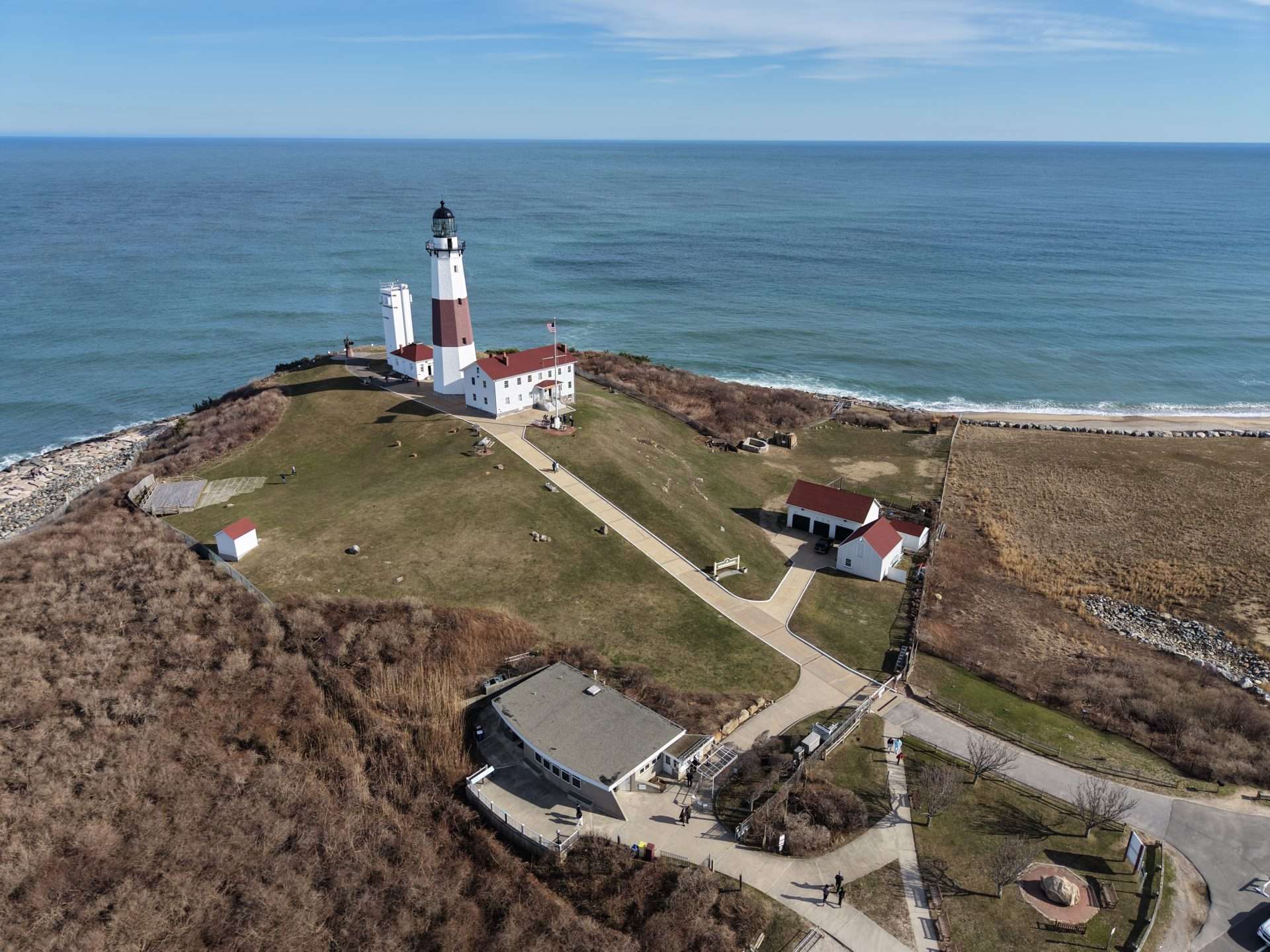
Open light, natural movement, and a very Long Island look. Best early or late; midday sun on open sand is the harshest light of the year. Tides, seasonal resident-only parking and permits all need checking first — covered on beach photography.
The most reliable outdoor option. Structure, shade and multiple backdrops within a short walk, and they hold up across more of the year than a beach does. Many require a permit for professional shoots, and some estates restrict it entirely.
Texture, architecture and variety packed into a few blocks — strong for branding, content and anything that should feel current. Somewhere like Greenport gives harbour and streetscape without moving the car.
The most personal and by far the easiest with small children. Window light does the work. See at-home lifestyle sessions.
Whichever setting you choose, the hour matters more than the postcode. The last hour before sunset and the first after sunrise are the best outdoor light of the day, every day. Midday works in open shade and rarely otherwise.
One local detail worth knowing: the North Shore faces Long Island Sound, so the sun sets over the water — that is where evening sessions want to be. The South Shore faces the Atlantic and gets the better sunrise. Pick the shore to match the hour.
September and October are the strongest months across most of the Island — warm light, thinner crowds. Summer weekends are busiest and book first. Winter is quiet and stark in a way that suits some work very well.
Overcast is genuinely good light for portraits, so cloud is never a reason to move. For actual storms we agree a fallback — an indoor location or a rain date — when we book rather than deciding on the morning.
Tell us what the photos are for and roughly when, and we will suggest two or three settings that fit. Browse by town on areas we serve, or by property on the venue guides.
Not sure where to shoot? Tell us what the photos are for and we will suggest a few that fit.
Ask for a recommendation