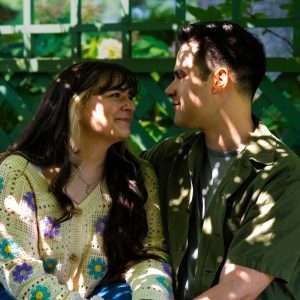
Photographing one person is a portrait session. Photographing thirty people from the same organisation in one day is a logistics exercise that happens to involve a camera. The difference catches a lot of businesses out, and it is usually the scheduling rather than the photography that goes wrong.
Consistency is the entire point
The reason a company books team headshots rather than letting everyone supply their own is that a team page only looks professional when the images match. Same background, same lighting, same crop, same general feel. One person photographed against a window at home will stand out badly next to twenty studio frames, no matter how good that individual photo is.
So we keep the setup fixed for the entire session. The lighting does not move, the camera does not move, and the framing stays consistent from the first person to the last. It is less creatively interesting than a single portrait shoot, and it is exactly what makes the finished set work.
Budget more time than you think
The photography itself is quick. Most people need only a few minutes in front of the camera once the lighting is set. What consumes the day is everything around that: people running late, meetings overrunning, someone popping out for a coffee, the person who wants to redo their hair first.
The fix is a booked schedule with named slots rather than an open invitation to drop by. Give people a specific time. Build in gaps. Expect a handful of no-shows and plan a catch-up window at the end of the day rather than trying to squeeze them in between other people.
Pick the room before the day
We can bring a full studio setup on location, which means the room matters less than people assume, but it still needs to meet a few basic requirements:
- Enough depth to get the subject away from the background. A person standing right against a wall photographs flat and casts hard shadows.
- Somewhere reasonably quiet, so people are not being photographed while self-conscious about an audience.
- Access to power.
- Ideally a space that is not needed for anything else that day.
A conference room usually works well. A busy open-plan floor rarely does.
Tell your team what to expect
The most common cause of a disappointing team shoot is that nobody told the team it was happening until that morning. Send a short note in advance covering the date, their slot, and simple guidance on clothing. Solid colours photograph better than tight patterns. Layers give options. Whatever they would wear to meet an important client is usually the right answer.
For anyone who is nervous about being photographed, and there is always someone, the individual preparation advice in our headshot preparation guide is worth passing along.
Plan for the people who join later
Staff turnover means a team page starts drifting the moment the session ends. It is worth agreeing up front how new joiners get photographed — whether that is a short return visit, or keeping the setup documented so the look can be matched later. Deciding that at the start is much easier than trying to match a session from eighteen months ago.
What you get back
Retouched, colour-corrected files sized for web and for print, delivered in a consistent set, usually with both a square crop for profile use and a wider crop for other placements. If you also need candid workplace imagery for a website or recruitment material, that is worth shooting the same day while everyone is already dressed for it — see corporate photography.
Planning a session for your team? Tell us the headcount and your location and we will put together a schedule that fits your day.