
Portraits · Print
Most photographs are seen at three inches. This is the one people still look at in ten years.
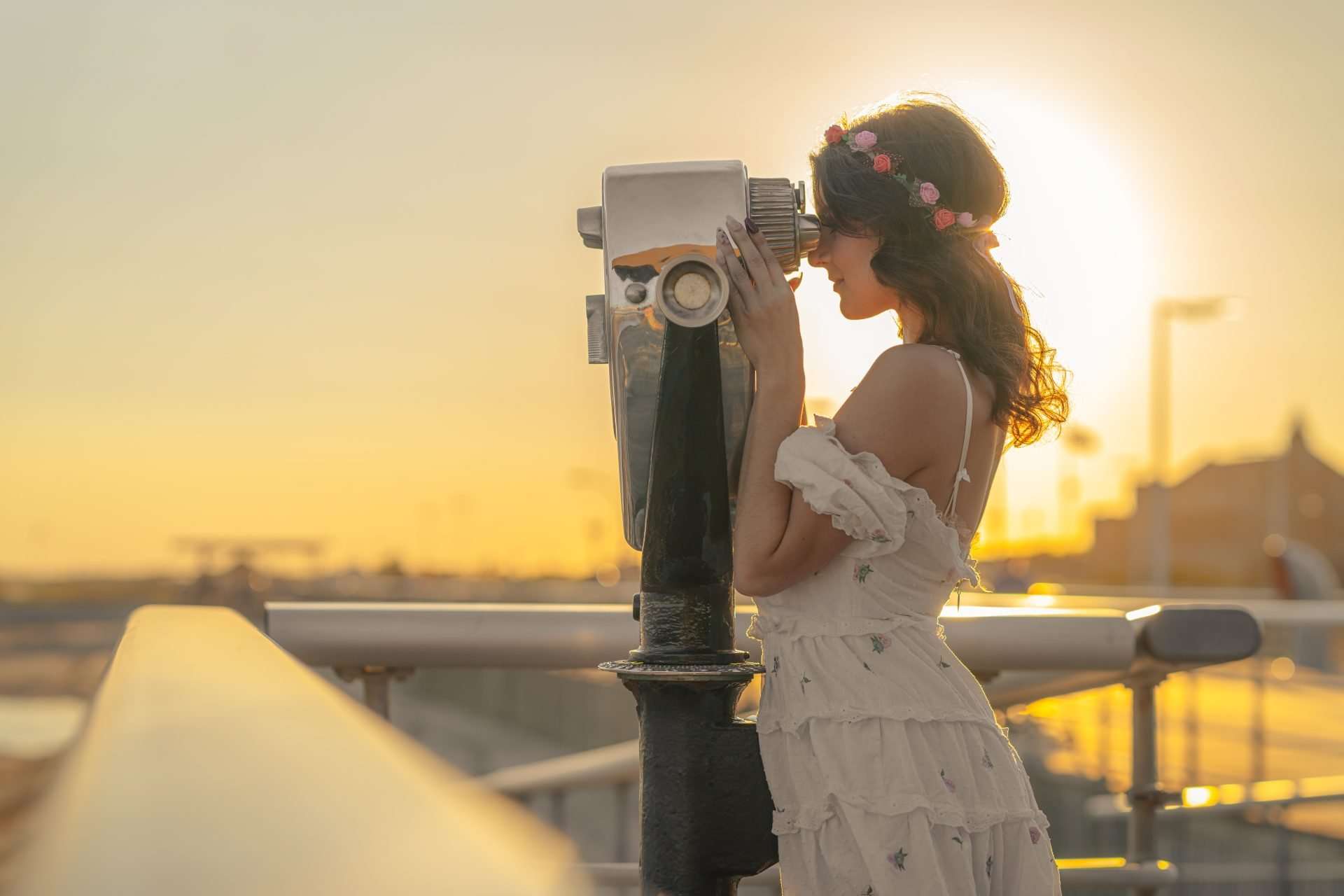
Most photographs now live on a phone and are seen at three inches. A portrait made to hang on a wall is a different object, shot differently, and it is the only version anybody actually looks at ten years later.
A forty-inch print needs detail that has to be captured at the moment of shooting. Our bodies record 50 megapixels, which is what makes a print that size hold up under the scrutiny people give a wall — standing two feet from it, not scrolling past it.
An image that looks sharp on a screen can fall apart at print size. Wall work is focused and checked to a different standard, because the print is unforgiving in a way a phone is not.
Social crops square and vertical. A wall piece is composed for the space it will hang in — which means knowing the wall before the session, not after.
Above a sofa, in a stairwell, over a fireplace. The dimensions of that space determine the orientation, the crop and how much room is left around the subject. This one question changes the entire session.
Busy backgrounds and busy clothing look worse the bigger they get. Wall portraits are quieter than social images by necessity, and that is also why they date better.
Monochrome removes the colour of a particular year — the clothing, the trends, the light — and leaves the person. It is why black and white portraits hang for decades and colour ones start to look like their decade.
The common sequence is: shoot, deliver, then try to find something that fits a specific space. It usually means cropping an image that was never composed for it. Bring a measurement and a photo of the wall to the consultation and the whole session is built around producing that one piece.
Related: all portraits, legacy portraits, family portraits, studio sessions, our equipment.
Bring a measurement and a photo of the wall. The session gets built around it.
Plan a wall portrait