
Holidays · March
A parade moves once and does not repeat — so position decides everything.
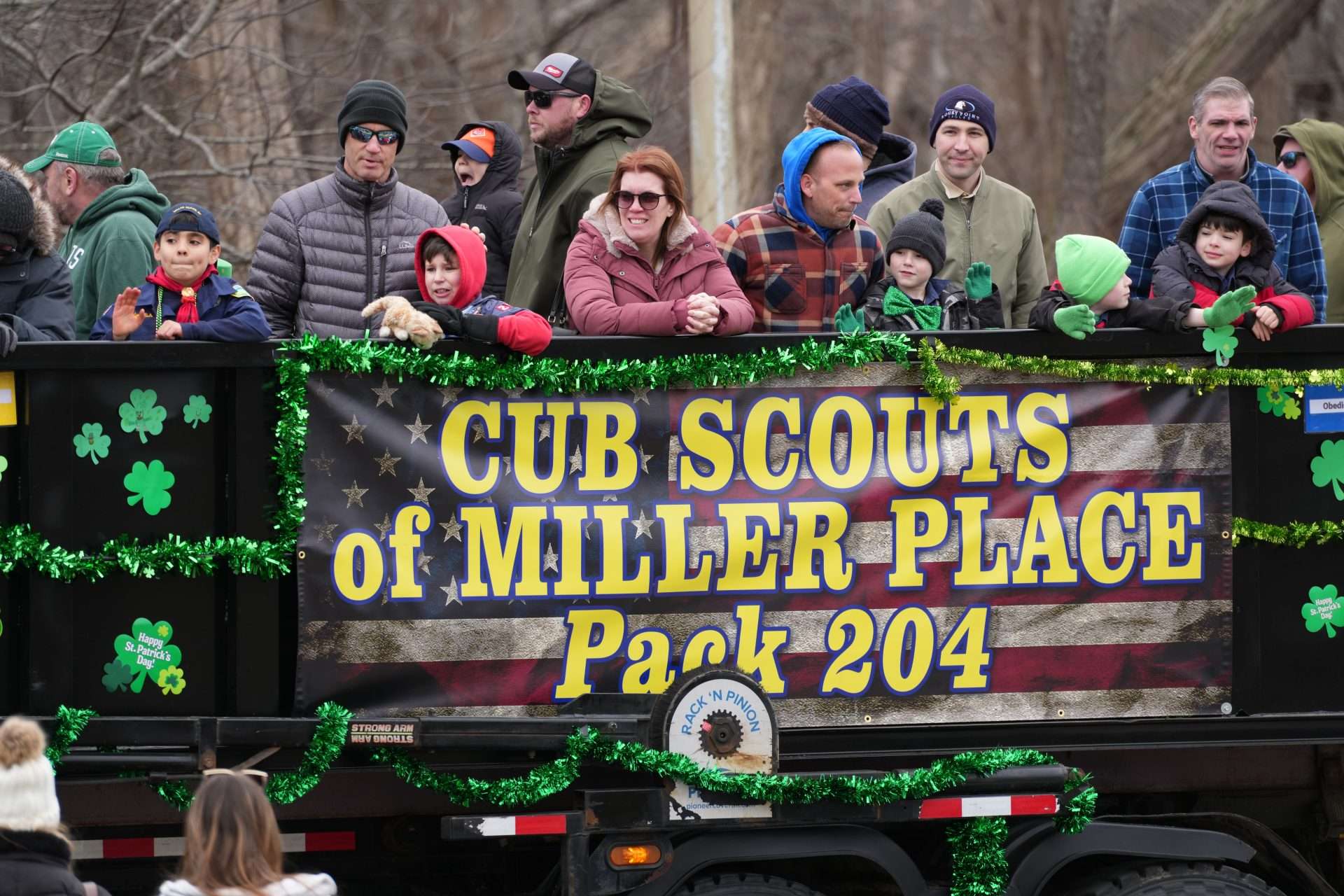
Long Island runs one of the denser parade seasons anywhere, and St Patrick’s Day is the centre of it. Through late winter, town after town holds its own parade, and they are genuinely good photographic events — crowds, colour, marching bands, families lining the route, and no shortage of expression.
A parade moves in one direction, does not stop, and cannot be repeated. That makes position everything. We work the route rather than standing in one place — ahead of the procession, into the crowd, then behind it — because the same parade from three positions produces three different sets of photographs.
The crowd is frequently better material than the parade. Children on shoulders, families in green, older people who have watched the same parade for forty years. The floats are the occasion; the faces are the photographs.
March parades usually run in flat midday light under grey skies, which is unglamorous and actually workable — soft, even, and no harsh shadows on faces in a crowd. Cold and wind are the real variables, and both affect how long people stay rather than how the pictures look.
Tell us where you are in the running order and roughly when you expect to pass. Parades run late as a rule, and knowing your position means we are in place rather than chasing. Businesses and organisations frequently use this coverage for the following year’s promotion, so it is worth shooting deliberately rather than incidentally.
Related: event photography, fireworks & holiday events, areas we serve, all holidays.
Marching, or organising? Tell us the parade and your position in the order.
Book parade coverage